AGP Executive Report
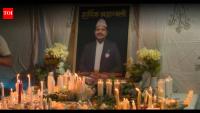
Last update: 9 hours agoJobs and costs: Bhutan’s employment rate edged down to 97% in the third quarter, while youth unemployment rose to 17.5%. Inflation reached 5.58% in September, squeezing households on fixed incomes. Economic support: The ADB approved USD 17.42 million for measures to cushion families and businesses from higher food and energy costs linked to Middle East tensions. Tourism: Former tourism chief Dorji Dhradhul received international recognition for helping shape Bhutan’s tourism policy, underscoring the sector’s role in the economy. Connectivity and investment: Gelephu’s new biometric immigration terminal aims to speed eligible cross-border journeys, while 15 India-supported projects in Mongar—including more than 65 km of roads—are expected to improve access and livelihoods. Business outlook: Bhutan’s manufacturing future depends on building stronger opportunities for small businesses; meanwhile, Bhutan Ferro Alloys returned to profit with Nu 58.23 million in first-half 2026 earnings.
Note: AI summary from news headlines; neutral sources weighted more to help reduce bias in the result. Feedback is welcome. Please let us know if you have any comments or suggestions about the AGP Executive Report.

 Perspectify News